Part detective story, part American history:
the reconstructed lives of three mummies buried in iron coffins
Pre-Order Now!
Summary
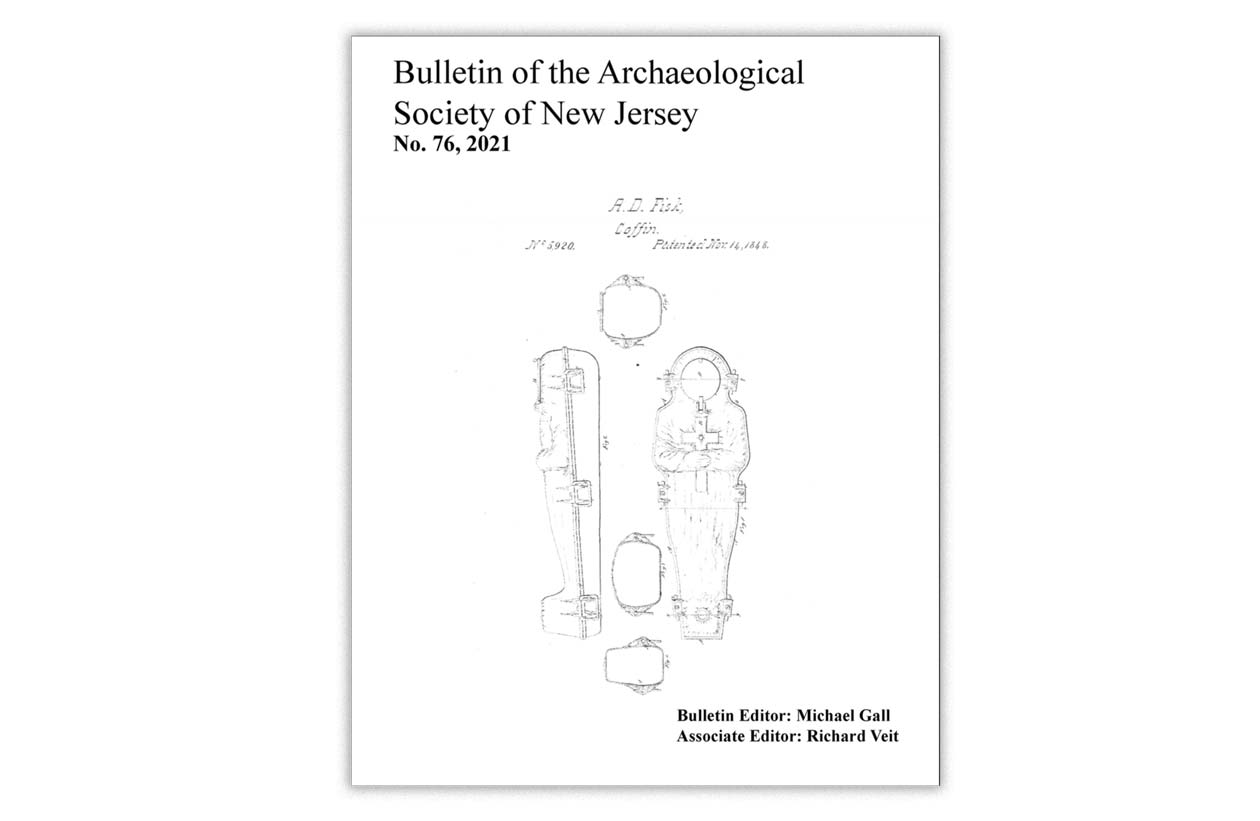
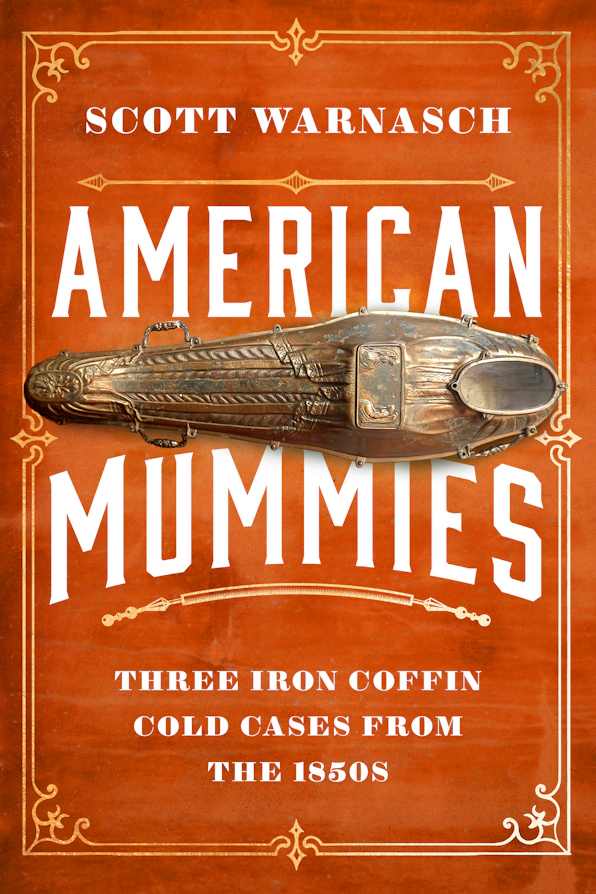
American Mummies explores life in the first half of the nineteenth century from a unique perspective, combining American history with cold case investigation. The three mummies—discovered in Egyptian-looking iron coffins that naturally preserved their remains—aren’t the relics of defunct ancient empires; they died in New York and New Jersey in the 1850s…
…Yet their stories crackle with accounts of life and death during a critical period in our country’s history when fundamental decisions regarding race, sex, and power were becoming encoded into the nation’s DNA. The diversity of their experiences—Black, White, male and female—presents a vivid cross-section of everyday life from over 175 years ago, while the integration of forensic science, archaeology, and genealogy offer granular details—even capturing fleeting glimpses of the mummies’ final hours among the living.
Recounted by the former forensic archaeologist who found them, the mummies’ shocking discoveries and painstaking identifications lead from abandoned burial plots to morgues, labs, and funeral homes. Assisted by experts from the Smithsonian Institute, the NYC Medical Examiner’s Office, and various universities, the meticulous analysis and research weave the deceased’s lives, families, and social networks into a tapestry of interconnections, tragedies, and triumphs.
Their stories brim with riots, fires, jailbreaks, and contagions, offering both local details and wide vistas of a seminal and dangerous period in American history. And the curious circumstances surrounding their discovery pull back the muddied veil of the dead’s place in the urban landscape, raising key questions like: How long does one get to rest in their grave? Who decides when that time is up? And what happens then?
Praise for American Mummies
“A fascinating detective story of mummies, coffins, smallpox, and American social life of 150 years ago—and it’s all true. Warnasch gives us a great story of forensic archaeology in a crisp, colorful prose that reads like a mystery novel. Whatever he does next, I want to read about it.”
~Barbara Butcher, author of What the Dead Know
“This absorbing account explores the lives of three Americans—one man and two women—identified in death and discovered hundreds of years later undisturbed in their sealed iron coffins. Their bodies and biographies provide compelling narratives about life in a newborn nation. In this deeply researched book, archaeologist Scott Warnasch plays the role of detective and brings you along as he almost literally unravels three American mummies. Find out who they were, how they died, and why they were placed in iron coffins for burial rather than in wood. Most important, what can their life and death tell us about the America we know today?”
~Andy McPhee, author of The Doctors’ Riot of 1788: Body Snatching, Bloodletting, and Anatomy in America
“If you enjoy digging into a David McCullough history lesson or watching old episodes of Dr. G: Medical Examiner,then American Mummies is your next read. Rich with historic detail, Scott Warnasch manages not only to solve the mysteries but also to bring the cases to life.”
~Todd Harra, author of The Embalming Surgeons: Lincoln’s Body, Morbid Science, and the Birth of Modern American Death Rituals